
A Mother’s Love and Its Burden
Crime and PunishmentThe mother’s letter offers tenderness and hope while making clear that her devotion and Dounia’s sacrifice place unbearable pressure on Raskolnikov.
increasing Bearing strength in each event
 decreasing
Bearing strength in each eventdecreasingA Long-Awaited Letter
A Long-Awaited Letter
Familiar Handwriting
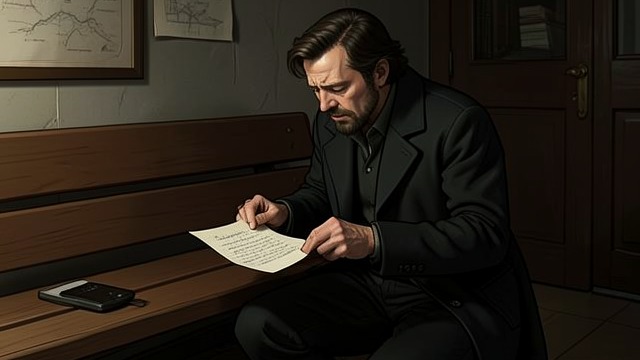
Nastasya delivers a letter from Raskolnikov’s mother, and he recognizes the small, sloping handwriting. He kisses the letter before reading, revealing how much emotional connection remains beneath his isolation.
His mother writes that he and Dounia are her hopes and support. Her affection reassures him but also makes him feel responsible for the hardships she has endured.
A Mother’s Explanation
A Mother’s Explanation
Love Through Disclosure
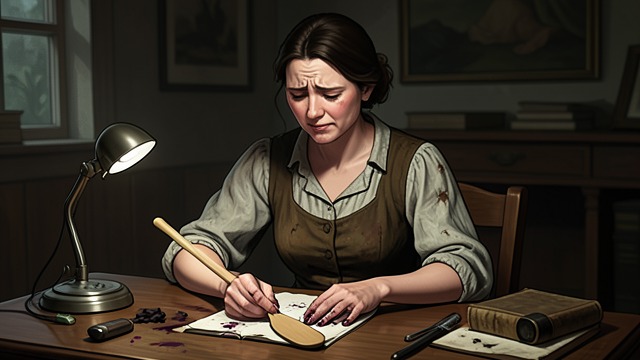
Raskolnikov’s mother explains her limited pension, the loan she took, and why she had delayed telling him about Dounia’s ordeal. She tries to protect him from distress even while finally sharing the truth.
Her narrative joins ordinary affection to financial dependence. She hopes that explanation will make the family’s decisions understandable, but it instead makes Raskolnikov feel that they have sacrificed for him without his consent.
Hope in Luzhin’s Promise
Hope in Luzhin’s Promise
A Future Imagined
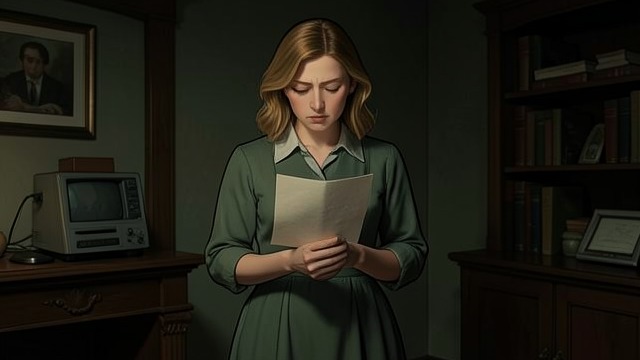
The mother and Dounia hope that Luzhin’s connections may help Raskolnikov resume his studies or find employment. They picture the engagement as a route to shared security.
Their hope is affectionate, but it makes his future depend upon a man whose remarks already suggest a desire for control. Raskolnikov reads their optimism as evidence that they are risking Dounia’s freedom for him.
The Son’s Anger
The Son’s Anger
Gratitude Turns to Protest
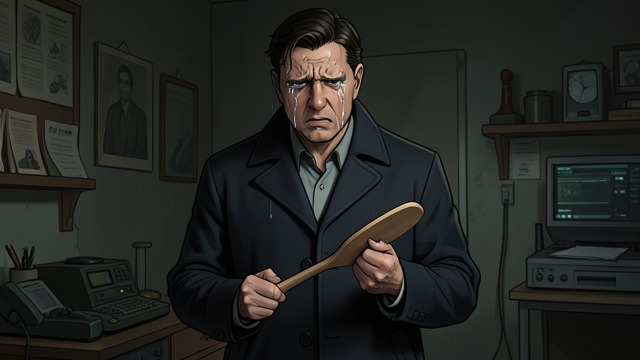
Raskolnikov’s face is wet with tears, but he ends the letter with a bitter and angry expression. He believes his mother and sister have built their plans around his benefit while withholding the cost from him.
His anger is inseparable from love: he rejects the arrangement because he cannot bear to imagine Dounia suffering for his sake. Yet he has no practical alternative to offer them.
Love as an Urgent Demand
Love as an Urgent Demand
The Need to Act
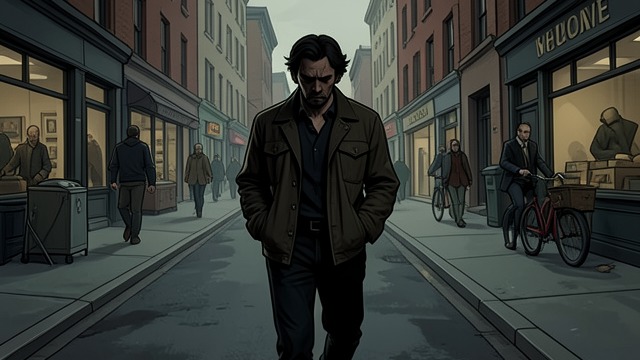
As Raskolnikov walks through the city, the family letter intensifies an older question about what he must do to prevent his relatives’ sacrifices. He feels that passive worry is no longer enough.
The pressure does not produce a clear, compassionate solution. Instead, it attaches his private plan to the desire to protect the family, making love part of the psychological urgency that drives him toward danger.
The morning after Raskolnikov sleeps through the early hours
During the reading of the letter
Near the end of the letter
Immediately after he finishes the letter
Later that day, after he leaves the garret
